
Cook County Probate Records
Probate matters in Cook County are handled by the Probate Division or function within Cook County District Court. The local Court Administration page states that District Court has original jurisdiction over probate cases filed in Cook County, along with civil, family, juvenile, criminal, and traffic cases. Court Administration is the local office for certified probate copies and for questions that MCRO cannot answer.
Cook County probate records may include estate administration, wills admitted to probate, formal probate, other probate, guardianship, conservatorship, trust cases, inventories, accountings, petitions, notices, orders, letters, and decrees when the material is public. MCRO groups probate and mental health under one case-category filter, but civil commitment records are not ordinary estate probate records and public civil commitment documents are not remotely available in MCRO.
The local courthouse context is practical for probate work. Cook County Court Administration is at the courthouse in Grand Marais, where the public court-records access terminal is available. MCRO can show many public probate items from a remote browser, but the courthouse terminal and Court Administration remain the fallback when a file is older, not remote-access eligible, or needed as a certified copy with an official seal.
The Minnesota small estate affidavit statute is one probate-related route for qualifying estates when statutory conditions are met.
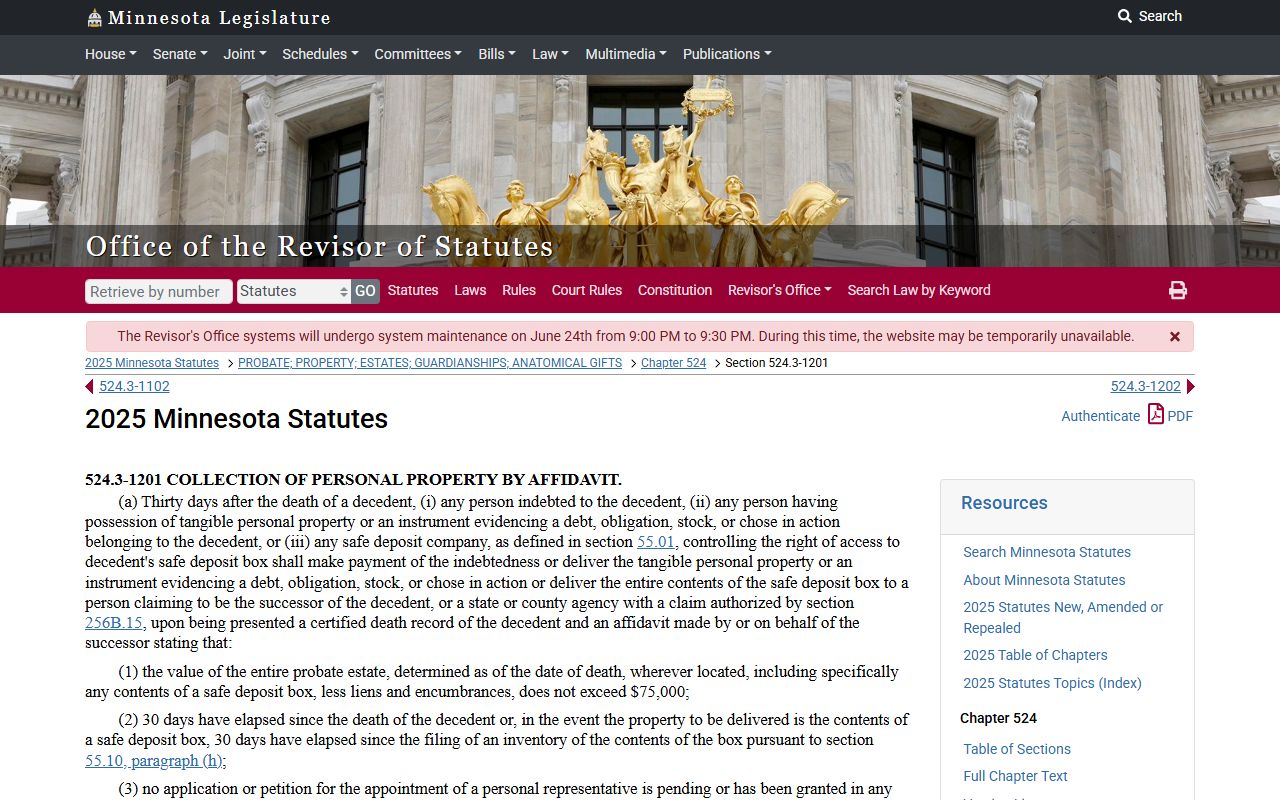
Small estate affidavits can reduce the need for formal probate in qualifying cases, but they do not replace legal advice or court review when a filing is required.
Probate Terms Defined
Probate records use terms that are easy to confuse. The definitions below are plain-English anchors for reading Cook County estate, guardianship, and conservatorship files. The court record itself controls the legal status of each person and filing.
- Testator
- A person who made a will.
- Executor
- A person named to carry out a will, often called a personal representative in modern probate use.
- Intestate
- Dying without a valid will.
- Guardianship
- A court case about authority to make personal-care decisions for another person.
- Conservatorship
- A court case about authority to manage another person's financial affairs.
Search Cook County Probate Records
Use Minnesota Court Records Online for a remote Cook County probate records search. Case Search lets users choose the Probate or Mental Health case category and select Cook County as the court location. Document Search is narrower and requires a case number. For certified copies, older files, records not remotely accessible, or documents that need an official seal, contact Cook County Court Administration.
Name searches can be imprecise, especially when an estate has several interested persons, a trust name, or a protected person connected to a guardianship or conservatorship. If the decedent's name does not return a clear match, try known party names, review date filters, and use the Cook County location filter to avoid statewide noise. A known case number is the cleanest path for Document Search.
- Open MCRO Case Search and accept the terms if prompted.
- Search by name or case number, then use Additional Search Options.
- Select Probate or Mental Health as the case category and choose Cook County under court locations.
- Open a matching case to review public register-of-actions information and any public documents available online.
- Use MCRO Document Search with the case number when looking for online public probate documents.
- Contact Cook County Court Administration for certified copies or records not available remotely.
MCRO states that users can access and download public documents in Formal Probate, Other Probate, Guardianship and Conservatorship, and Trust case types for documents filed on or after July 1, 2015, when public and available online.
Cook County Probate Court Contact
Cook County does not have a separate probate courthouse. Probate filings are handled through Cook County District Court and local Court Administration at the Cook County Courthouse in Grand Marais. Court Administrator Jennifer Miller is named on the county Court Administration page, and the page lists Judge Steve Hanke for the court.
Cook County Probate Division of District Court
Cook County Courthouse
411 West 2nd Street
Grand Marais, MN 55604
218.264.7001
Monday-Friday, 8:00 a.m.-4:00 p.m.
Use the courthouse public access terminal for public records that are available at the courthouse but not remotely through MCRO. The Minnesota Judicial Branch Cook County page also notes court access and calendar information for the local District Court.
Probate filings share the courthouse with Court Administration and the Recorder, but those offices do different work. The Recorder is important for property and vital records, while Court Administration handles the probate case file. If an estate involves Cook County real property, the probate case and land records may both matter, but they are requested through different channels.
Probate Filing Fees
Minnesota District Court fees are set at the state level and can include county law library fees, so current Cook County totals should be checked through the official fee page or local Court Administration. The research did not capture fixed Cook County probate fee amounts. If a person cannot afford a court fee, Minnesota courts allow a fee waiver or reduction request.
| Item | Amount |
|---|---|
| Probate filing | Check Minnesota District Court Fees and select Cook County |
| Guardianship or conservatorship filing | Check current District Court fee schedule |
| Certified probate copy | Confirm with Cook County Court Administration |
| Fee waiver or reduction | Available to request when a person cannot afford fees |
Probate fee amounts were not captured as fixed local text in the research, so do not mail payment until Court Administration confirms the current total.
What Cook County Probate Records Show
A public Cook County probate file may show the case number, filing date, parties, decedent or protected person, petitions, notices, inventories, accountings, orders, letters, decrees, and trust-related filings. Availability depends on case type, document date, public-access rules, and whether the record is remote-access eligible. A courthouse terminal may show public items that are not available online.
Letters and orders are often the documents people need for banks, property transfers, or estate administration tasks, but an uncertified online copy may not be accepted by the institution requesting proof. When an official copy is required, ask Court Administration for a certified copy rather than printing a browser view from MCRO.
Wills have special access rules. The Minnesota will deposit statute is tied to deposited wills kept by the court for safekeeping, and Minnesota public access rules limit access during the testator's lifetime.
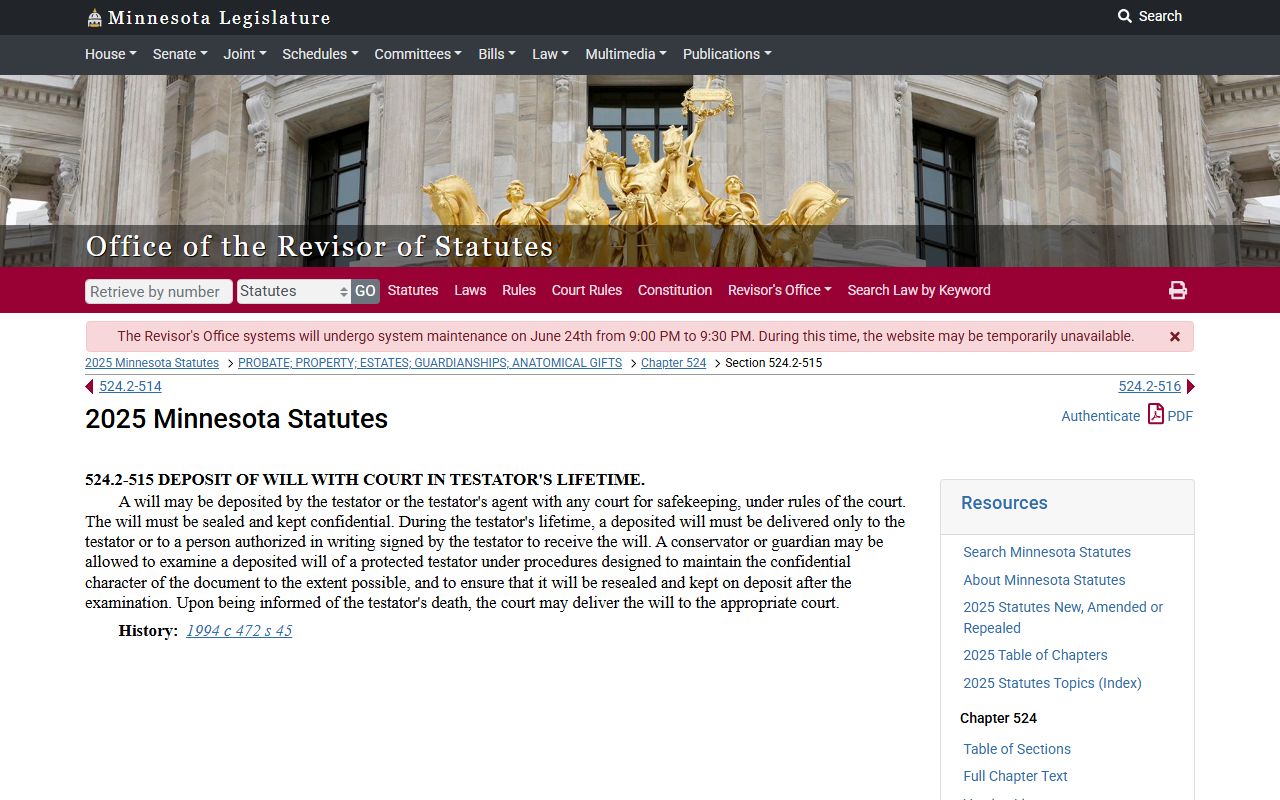
Deposited-will rules are one reason probate records can be public in part but restricted in specific documents.
Restricted Cook County Probate Records
Minnesota Rules of Public Access limit certain probate-related records. Wills deposited with the court for safekeeping are not public during the testator's lifetime except for access allowed by rule. After proof of death, the existence of a will on deposit may be publicly disclosed. Guardianship and conservatorship files can include medical, financial, or personal identifiers that are restricted or redacted.
MCRO's Probate or Mental Health category can be confusing because civil commitment and mental health matters are not the same as ordinary estate probate. Public civil commitment documents are not remotely available in MCRO. For a borderline record, use Court Administration rather than guessing from the online case category.
The PACER Minnesota Bankruptcy Court entry is a federal record source and is separate from Cook County probate records.
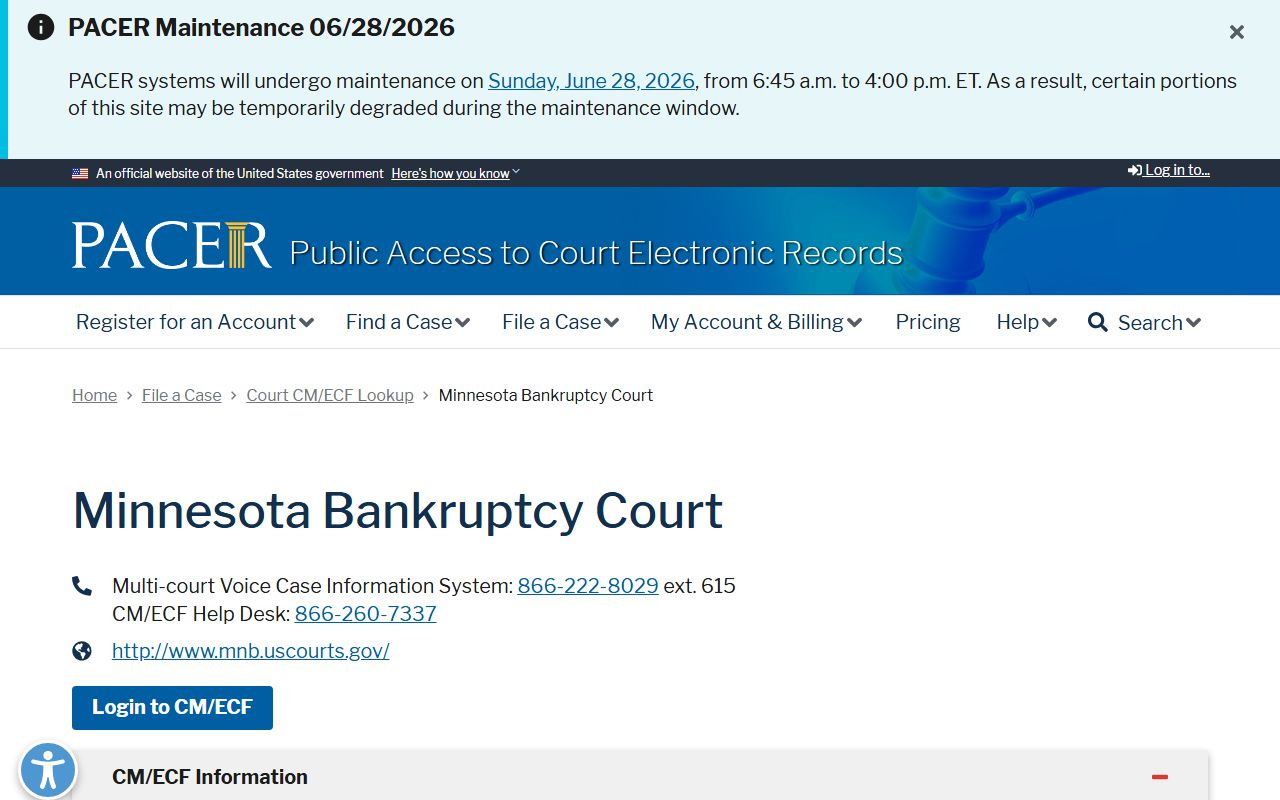
Bankruptcy and probate can both involve assets, but they are filed in different court systems and searched through different portals.